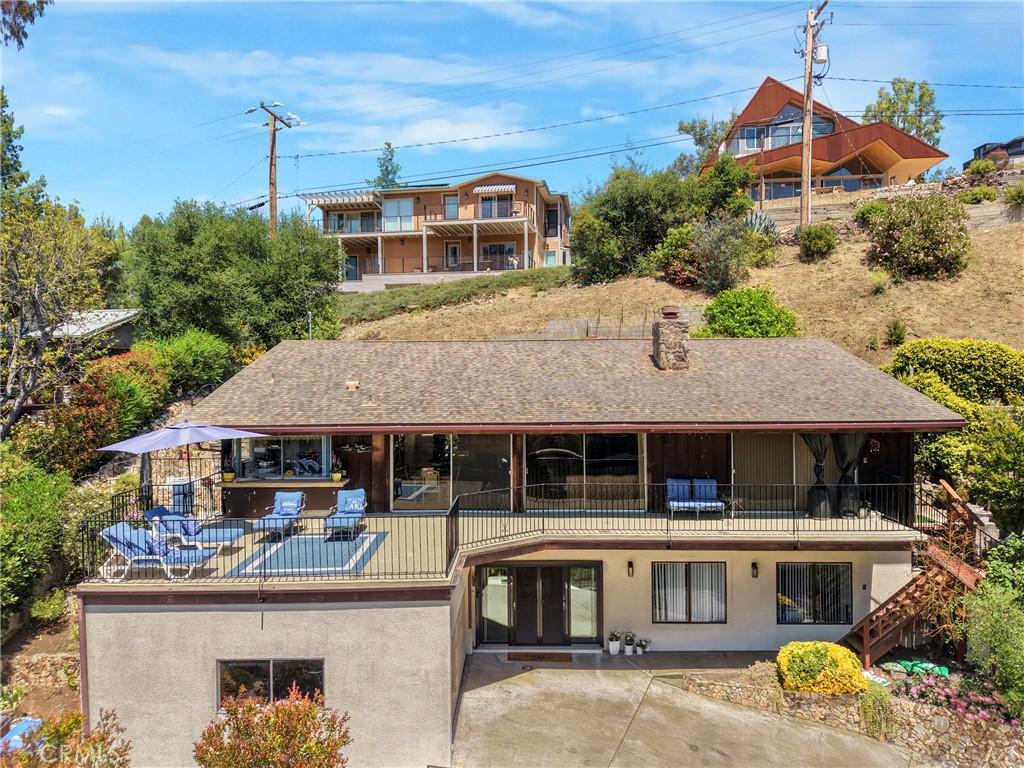
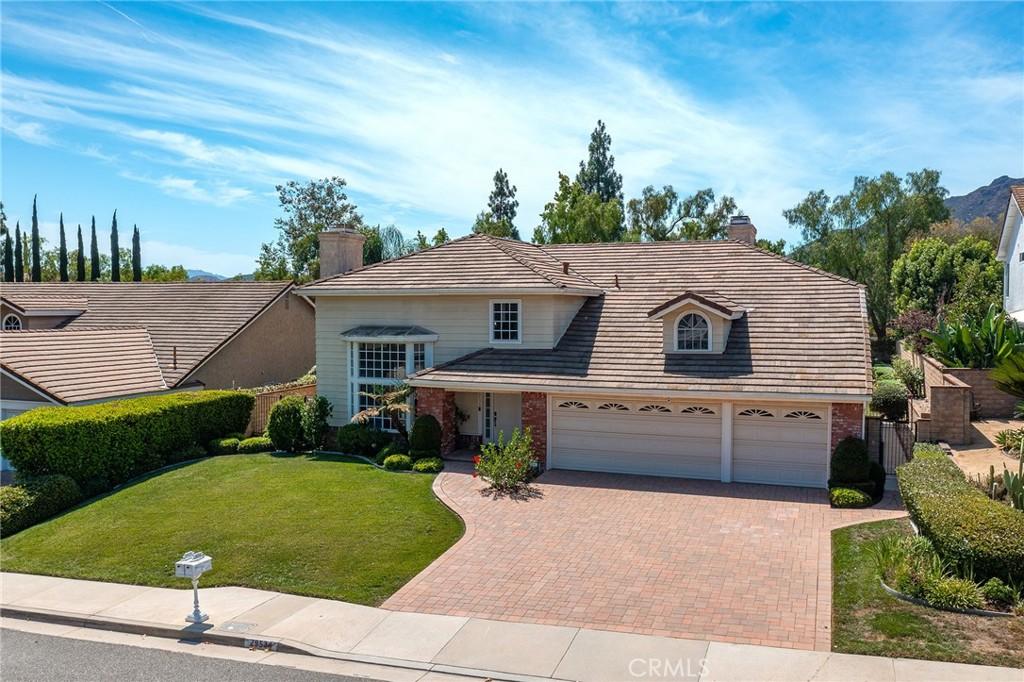
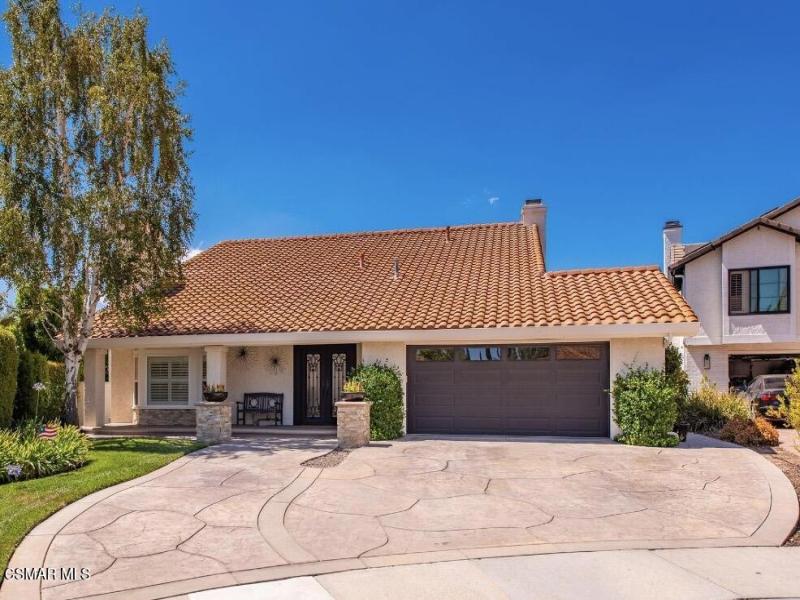
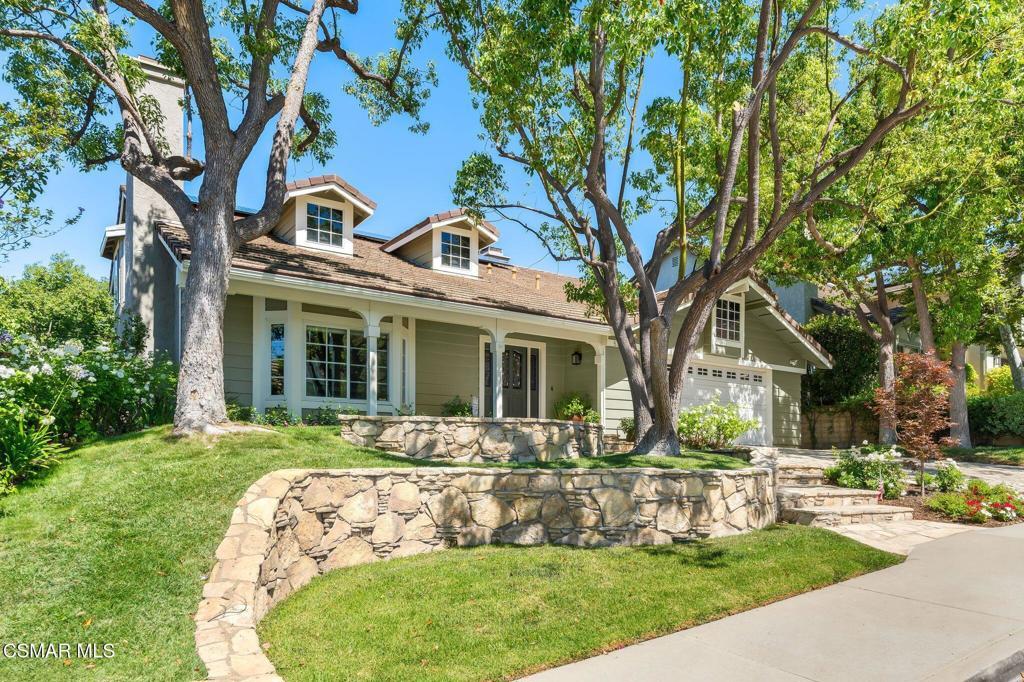
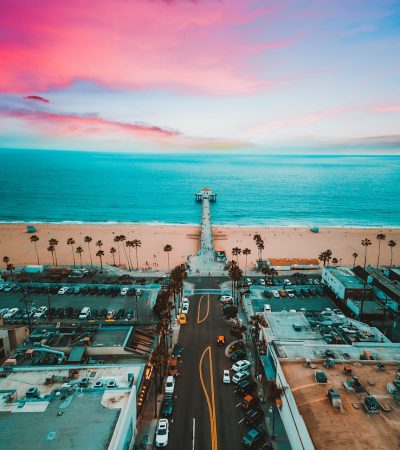
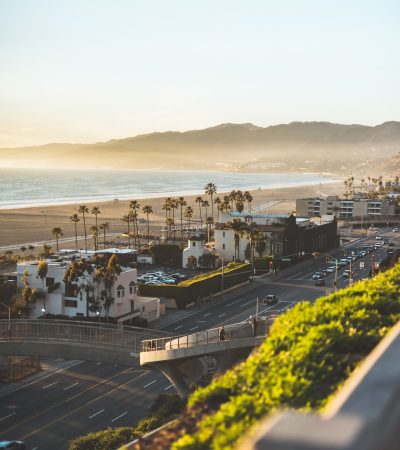
Homes for Sale in Santa Monica
Homes for Sale in Santa Monica currently number 136 active listings with a median asking price of $1,200,000 (CRMLS, September 2026).
Most people looking at homes for sale in Santa Monica are really buying the ability to walk — to the beach, to the Third Street Promenade, to the Wednesday and Saturday farmers markets, to coffee without getting in a car. That’s the actual product here, and it’s why the premium over comparable houses eight miles inland has held through multiple cycles. If you own cars and prefer driving, you’re paying for something you won’t use. If walkability changes how you move through the city, this is one of the few LA neighborhoods that delivers it.
The stock varies sharply by pocket. North of Montana runs $4M–$12M+ for large single-family homes on tree-lined streets near the district’s top elementary schools. South of Montana to Wilshire sits at $2M–$5M with condos from $700K. Ocean Park runs $1.5M–$3.5M for SFRs, Mid-City $600K–$2M, and Rustic Canyon $3M–$10M+ for architecturally significant homes. Condo buyers should understand Santa Monica’s rent control environment before writing an offer.
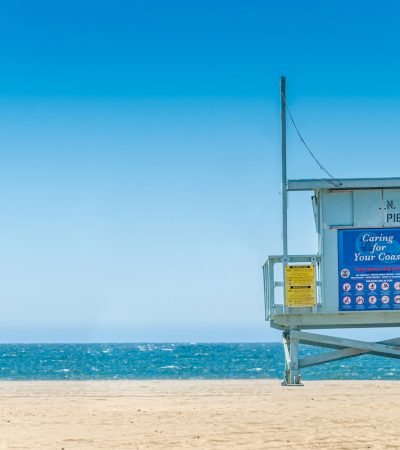
The other thing Santa Monica offers that almost no other LA neighborhood can: proximity to the Pacific on a year-round basis. The June Gloom months that frustrate many coastal LA residents are genuinely cooler and foggier in Santa Monica than even 3 miles inland. Buyers who want the marine layer and the ocean air in the mornings — who find that ambient climate genuinely valuable — are choosing the right neighborhood.
The Market Right Now
Santa Monica trades at a consistent Westside premium that has held through multiple cycles, supported by the same structural factors that have always driven demand: coastal climate, walkability, top public schools, and the Silicon Beach employment concentration. The 2019–2022 tech boom inflated values at the SFR tier particularly; prices have corrected modestly from those peaks but the underlying demand floor has not moved.
The $2M–$4M SFR tier south of Montana is the market’s most competitive band right now — broad buyer pool, shorter days on market, and a product range that attracts first-time buyers in the Santa Monica market as well as buyers trading up within it. North of Montana, at $4M and above, the days on market are longer and the buyer pool is narrower, but the consistency of value is remarkable: north of Montana properties rarely sit, and when they do it’s usually a pricing or condition issue, not a demand issue.
The condo and multi-family market reflects Santa Monica’s rent control environment — buyers who are purchasing condo units in tenant-occupied buildings need to understand what that means for their use and income scenarios. More on that below.
The Pockets That Matter (and What They’ll Cost You)
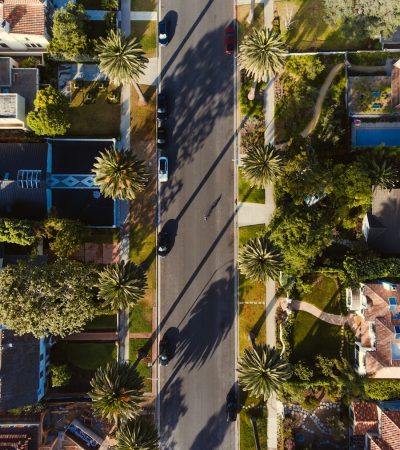
North of Montana — The most prestigious residential district in Santa Monica, and one of the most consistently sought-after addresses on the entire Westside. Tree-lined streets, large SFRs, direct access to Montana Avenue’s village-scale commercial strip, and proximity to the Santa Monica-Malibu Unified School District‘s top elementary schools. The buyers who purchase here have typically run the neighborhood comparison in detail and chosen it deliberately. Price range: $4M–$12M+, with significant variation based on lot size, renovation quality, and proximity to Montana Avenue. Inventory is perpetually constrained relative to demand.
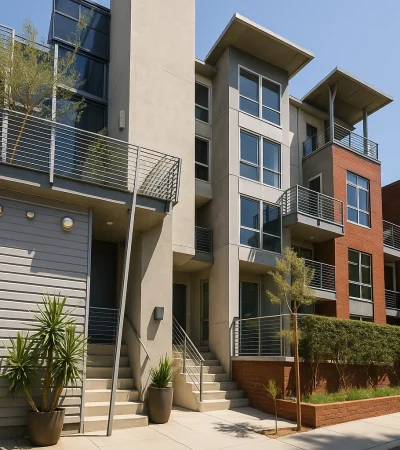
South of Montana to Wilshire — Slightly more urban, smaller parcels, more condo product alongside the SFR stock. The residential streets between Montana and Wilshire still carry the Santa Monica premium but at a more accessible price point than north-of-Montana. Walking distance to Montana Avenue restaurants and the 26th Street shopping district. Price range: $2M–$5M, with condo product starting at $700K in older buildings.
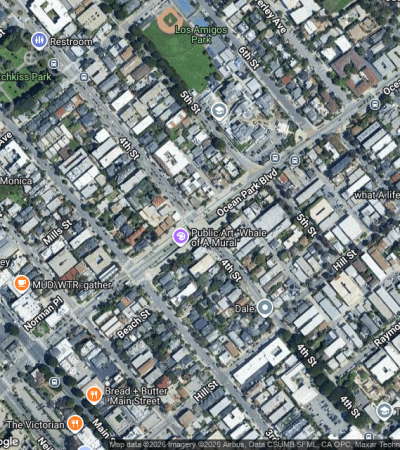
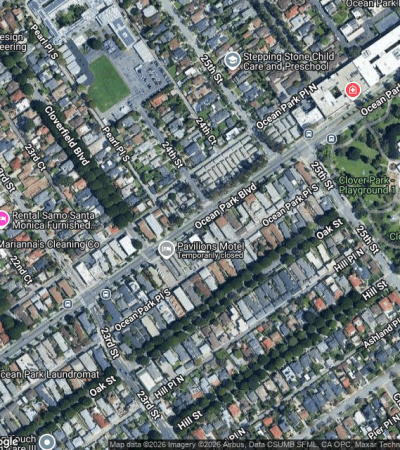
Ocean Park — South Santa Monica, below Pico Boulevard, where the neighborhood character shifts toward a more bohemian and creative-class identity. The streets have a looser, more eclectic feel than the grid north of Wilshire — Venice influence bleeds in from the south, and the buyer profile reflects it. Mixed residential and light commercial, strong community identity, walking distance to the beach. Price range: $1.5M–$3.5M for SFRs, with significant condo inventory below that.
Mid-City Santa Monica — The inland section, east of Lincoln Boulevard and away from the beach premium. More affordable, primarily condo and smaller SFR product, better freeway access (the 10 on-ramp is close) and reasonable proximity to Santa Monica College. This is the Santa Monica entry point for buyers who want the address and the school district but can’t absorb the coastal premium. Price range: $600K–$2M depending on product type.
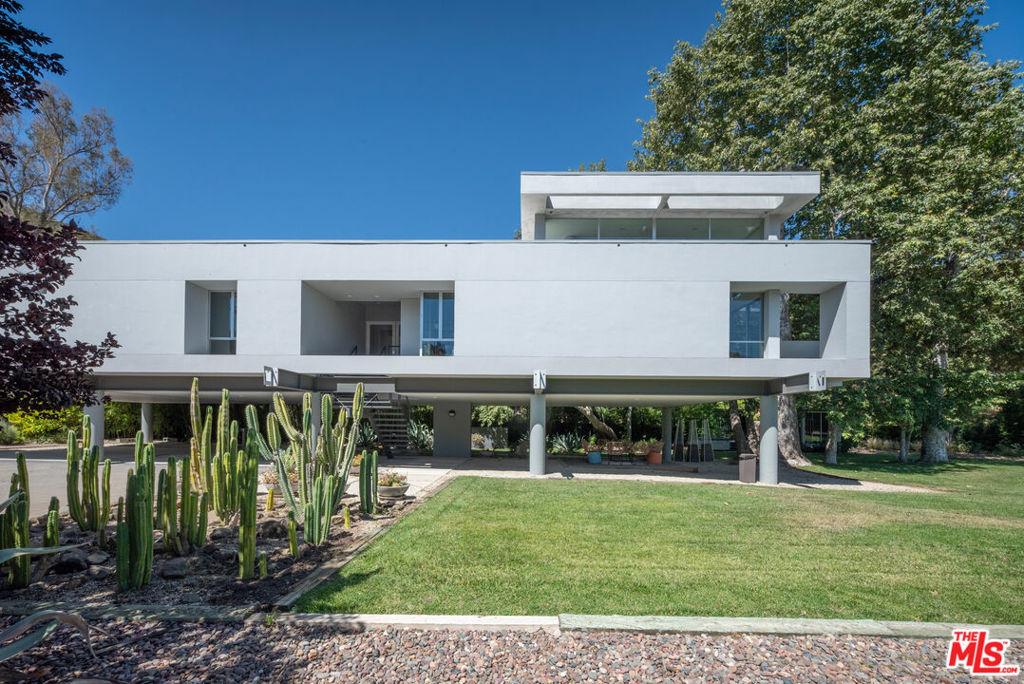
Rustic Canyon — Technically within Santa Monica’s northeastern border but worth distinguishing because it’s a fundamentally different product. The canyon streets, significant tree canopy, architectural history (Harwell Hamilton Harris, Raphael Soriano, and others built here), and equestrian remnants give Rustic Canyon a character entirely unlike the grid to the south. One of the most architecturally significant residential pockets in all of LA. Price range: $3M–$10M+, with a buyer profile that self-selects strongly for the canyon lifestyle and the architectural heritage.
Who Buys Here and Why It Adds Up
The Silicon Beach employment base — which spans from Snap Inc. to Hulu to the hundreds of tech-adjacent media companies in Playa Vista, Culver City, and the Westside corridor — has been the dominant demand driver in Santa Monica for a decade. Tech and media industry professionals who live within cycling or e-bike distance of their offices are paying a lifestyle premium that they can calculate in gasoline, parking, and commute hours, and many of them find the math works in favor of Santa Monica even at its elevated prices.
Buyers relocating from coastal East Coast cities — Boston, New York, DC — who require urban walkability as a baseline condition for where they live tend to identify Santa Monica as the correct LA neighborhood almost immediately. The pedestrian infrastructure, the quality and density of the restaurant scene, the availability of transit, and the proximity to the beach map onto a coastal urban lifestyle that is otherwise unavailable in the Los Angeles basin at any price point.
Families are increasingly prominent in the Santa Monica buyer pool, driven primarily by the Santa Monica-Malibu Unified School District — and specifically by Lincoln Middle School and Santa Monica High School (Samohi), which have strong reputations that are one of the primary decision factors for buyers with children in the 8–14 age range.
What to Know Before You Start Looking
Santa Monica’s unhoused population is a quality-of-life factor that buyers considering the neighborhood should understand before purchasing, not after. The city’s proximity to the beach, the year-round mild climate, and the concentration of services along Lincoln Boulevard, the Promenade, and the beach parking lots support a significant and sustained unhoused presence. The residential streets north of Montana are substantially removed from this and experience it as an occasional peripheral reality. The commercial and beach-adjacent areas — the Promenade, the pier corridor, Palisades Park along the bluff — are where it is most visible and most concentrated. Buyers should spend time in the specific sub-area they’re considering at different times of day and on weekends before making assumptions about their daily environment.
The Santa Monica Rent Control ordinance applies to a large share of the city’s multi-family housing stock and affects property rights in ways that buyers arriving from other California cities or other states don’t always anticipate. Rent-controlled units cannot have their rents raised to market rate simply through a change of ownership — existing tenants have significant protections that stay in place through a sale. Buyers considering income-producing or partially-tenant-occupied properties must verify what rent control status applies to each unit before making investment assumptions.
The California Coastal Commission has jurisdiction over construction and renovation within a certain distance of the coastline, and its requirements can affect renovation projects in ways that add time and cost. Buyers purchasing older properties in coastal zones who plan significant renovation should understand Commission jurisdiction before purchase — the permitting path for coastal-zone improvements is different from, and often longer than, the standard LA or Santa Monica city building permit process.
How to Decide Between Pockets Before You Tour
The most useful thing a buyer can do early is decide which trade-off they’re actually making, because Santa Monica real estate isn’t one market — it’s five, and they don’t compete with each other for the same buyer. Lot size and school proximity drive the north-of-Montana number. Ocean Park is buying a neighborhood character and a shorter walk to the sand. Mid-City is buying the address and the district without the coastal premium, at the cost of the beach walk and the marine-layer mornings. Rustic Canyon is buying architecture and canopy. Ranking those four priorities honestly, in order, narrows the tour list faster than any price filter will.
The second decision is product type. A condo at the lower end of the range can put you in the same walkable blocks as a house costing several times more, but the rent control environment and the building’s tenancy situation change what you can do with the unit — worth understanding before, not after, you write an offer.
What is it like to live in Homes For Sale In Santa Monica?
- Walkability is the actual product for most buyers looking at homes for sale in Santa Monica, not the houses themselves.
- Buyers here walk to the beach, the Third Street Promenade, the Wednesday and Saturday farmers markets, and coffee without driving.
- Premium pricing over comparable houses well inland has held through multiple cycles because the walkable lifestyle keeps its value.
- Car-dependent buyers who prefer driving are paying for something they will not actually use in this coastal market.
- Homes for sale in Santa Monica deliver walkability that few other Los Angeles neighborhoods can genuinely match.
- Housing stock varies sharply by pocket, spanning North of Montana, South of Montana to Wilshire, Ocean Park, Mid-City, and Rustic Canyon.
- North of Montana offers large single-family homes on tree-lined streets near the district’s top elementary schools.
- Condo buyers should understand the rent control environment surrounding homes for sale in Santa Monica before writing an offer.
- June Gloom months bring genuinely cooler, foggier mornings than areas even slightly inland, which some buyers find valuable.
What is the market like for Homes For Sale In Santa Monica?
- Santa Monica trades at a consistent Westside premium that has held through multiple cycles of market movement.
- Coastal climate, walkability, top public schools, and the Silicon Beach employment concentration structurally support demand for homes for sale in Santa Monica.
- Prices corrected modestly from tech-boom peaks at the single-family tier, though the underlying demand floor has not moved.
- Single-family homes south of Montana form the most competitive band, with a broad buyer pool and shorter days on market.
- North of Montana carries a narrower buyer pool and longer marketing time, but properties rarely sit without a pricing or condition issue.
- South of Montana to Wilshire feels slightly more urban, with smaller parcels and more condo product alongside single-family stock.
- Ocean Park sits below Pico Boulevard with a bohemian, creative-class identity, eclectic streets, and Venice influence bleeding in from the south.
- Mid-City Santa Monica is the inland entry point east of Lincoln Boulevard, offering the address and school district without the coastal premium.
- Rustic Canyon stands apart among homes for sale in Santa Monica for canyon streets, tree canopy, architectural history, and equestrian remnants.
Who buys Homes For Sale In Santa Monica?
- Silicon Beach employers spanning Snap Inc., Hulu, and tech-adjacent media companies across the Westside corridor drive the dominant demand.
- Tech and media professionals cycling or e-biking to their offices calculate the lifestyle premium in gasoline, parking, and commute hours.
- Relocating buyers from Boston, New York, and DC identify homes for sale in Santa Monica almost immediately as the correct Los Angeles choice.
- Pedestrian infrastructure, restaurant density, transit availability, and beach proximity map onto a coastal urban lifestyle unavailable elsewhere in the basin.
- Families are increasingly prominent buyers, driven by the Santa Monica-Malibu Unified School District, Lincoln Middle School, and Santa Monica High School.
- Quality-of-life factors including the city’s sustained unhoused presence deserve firsthand attention before purchasing rather than after closing.
- Rent control applies to a large share of multi-family stock, and tenant protections stay in place through a change of ownership.
- California Coastal Commission jurisdiction can lengthen and complicate the permitting path for renovation of older coastal-zone properties.
- Ranking lot size, neighborhood character, coastal premium, and architecture honestly narrows the tour list for homes for sale in Santa Monica.